



In 2025, fashion is undergoing one of its most intriguing evolutions yet—a shift toward protective fashion, a movement that blends style with safety, elegance with utility, and luxury with everyday resilience. These are not the bulky protective pieces of the past; instead, designers are crafting garments that feel like soft armor, shielding the wearer from modern environmental stressors while looking runway-ready. As urban life becomes faster, climates become harsher, and people spend more time in dynamic environments, consumers are embracing clothing that doesn’t just express who they are, but also supports how they live.
The trend started subtly: a protective pocket in a jacket, a sun-shielding textile in a sundress, a water-repellent blazer meant for unpredictable weather. But now it has grown into its own movement, championed by both legacy fashion houses and emerging indie designers. And at its core is a shift in mindset—fashion lovers today want garments that feel like a daily companion, not just an outfit.
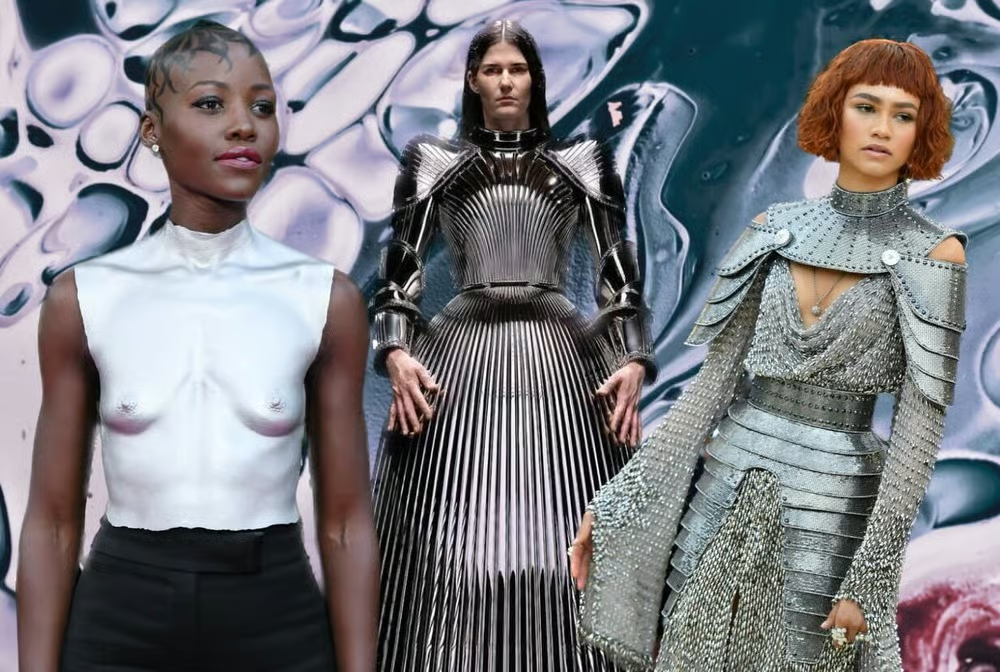
One of the biggest driving forces behind this shift is the boom in advanced textiles. Brands are integrating materials originally developed for extreme environments—like UV-resistant fibers, antimicrobial weaves, and thermoregulating layers—into everyday silhouettes. A classic trench coat might now come lined with heat-diffusing fabric that keeps you cool in rising temperatures. A simple cotton tee may be engineered to resist pollution particles when walking through dense downtown streets. Even denim is having its own renaissance with stain-proofing technologies and built-in stretch recovery that keeps jeans looking fresh for longer.
But the protective fashion movement isn’t just about practicality—it’s also about aesthetics and comfort. Designers are ensuring that these technically enhanced garments remain soft, breathable, and stylish. Think structured dresses with fluid movement, jackets that feel feather-light but block intense midday sun, or sneakers that adapt to your stride while looking crisp enough for an evening out. The goal is to create clothing that you forget is doing extra work for you.
The rise of microclimate dressing is adding another layer to the trend. Consumers increasingly recognize that they move through multiple mini-climates in a single day—air-conditioned offices, sweltering metro stations, windy rooftops, crowded sidewalks—and they want outfits that can adapt. This is why multi-layer modular designs are becoming so popular. You might see a convertible coat with removable panels, skirts that zip into shorts, or scarves woven with fibers that shift temperature depending on your environment. It’s the fashion equivalent of carrying a personal climate assistant.
On social media, especially platforms like Instagram and TikTok, influencers are showcasing the movement under hashtags such as #SoftArmor, #FutureWear, and #AdaptiveFashion. Instead of showing only glamorous outfits, creators now test garments in real-life conditions—running in the rain, sitting in traffic-heavy zones, commuting on bikes or scooters. Their followers connect with clothing that feels grounded in daily life, proving that practicality does not have to sacrifice beauty.
Sustainability plays a big role too. Many protective garments are designed for longer wear, resisting damage, reducing the need for frequent replacement, and minimizing waste. Brands are creating coats that last a decade, shoes that withstand weather changes without cracking, and bags that repel dirt and moisture for years. It’s durable fashion for a world that desperately needs more longevity—and consumers are resonating with that mission.
Even luxury houses are joining the movement, debuting collections inspired by the concept of “urban shields”—not literal armor, but a sophisticated interpretation of protection. Imagine silk blouses reinforced with invisible structured seams, flowing capes that deflect heat, or leather accessories that resist scratches and stains while maintaining their luxe feel. It’s refinement with purpose.

Looking ahead, protective fashion is likely to evolve even further as textile innovators and designers collaborate more closely. We may see AI-engineered fabrics that adapt to your biological rhythms, garments that change opacity in sunlight, or jackets that power small devices as you walk. What’s clear is that this new era of fashion is not just a trend—it’s a quiet revolution.
Protective fashion reminds us that clothing can be more than decorative. It can be empowering, intuitive, and deeply supportive. In a world where so much feels unpredictable, wearing a piece that offers comfort, resilience, and beauty feels like its own kind of armor—soft, stylish, and ready for whatever the day brings.


